Food Variety and Nutrient Coverage
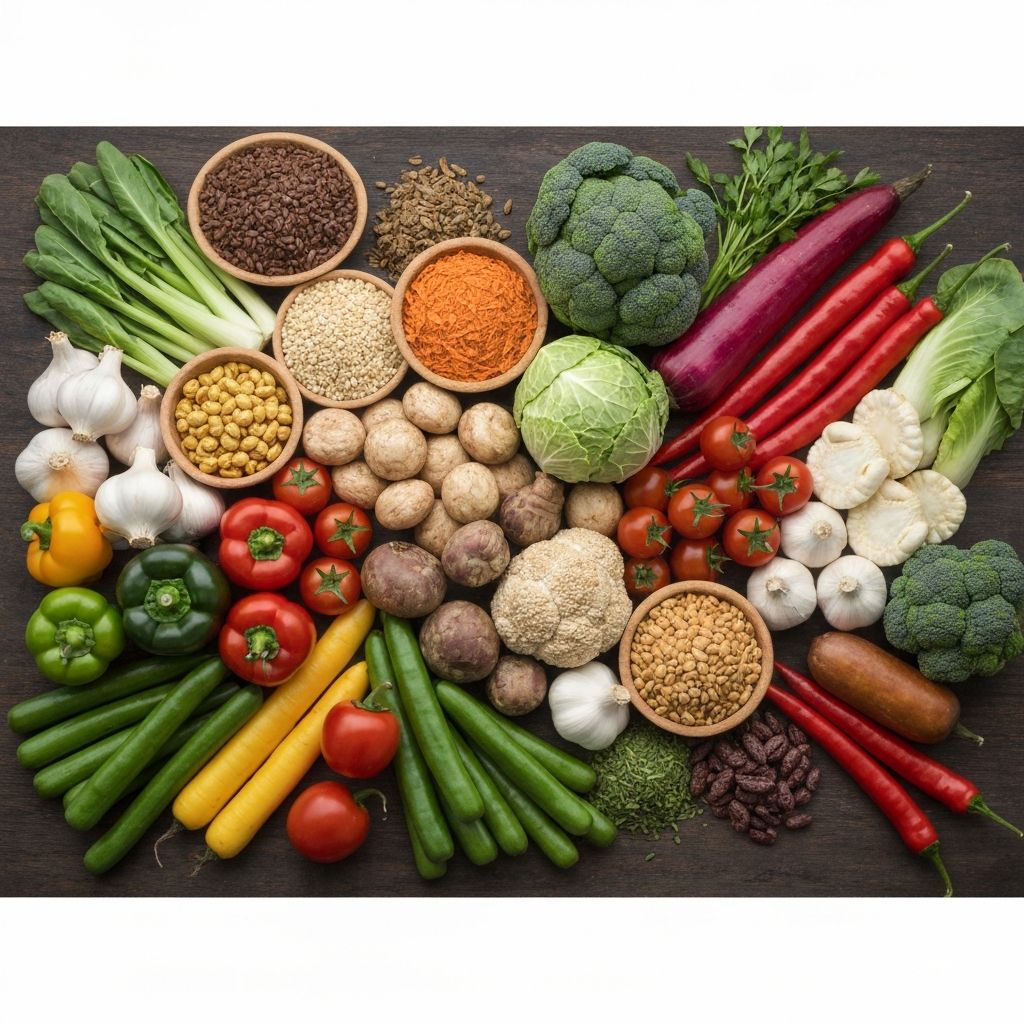
The Principle of Dietary Diversity
Food variety is a foundational concept in nutrition. Different foods provide different combinations of nutrients—vitamins, minerals, amino acids, and phytonutrients. Consuming a diverse range of foods supports broader overall nutrient intake compared to relying on a limited selection.
This principle is observed across wellness practices and nutritional science globally. The concept of a "balanced plate" reflects this—incorporating vegetables, fruits, proteins, and whole grains provides a broader spectrum of nutrients than eating a narrow range of foods.
Nutrient Density and Food Choices
Not all foods provide equal nutritional value. Nutrient-dense foods—those providing substantial vitamins and minerals relative to caloric content—feature prominently in wellness discussions. These include vegetables, fruits, legumes, whole grains, nuts, and seeds.
Observational research consistently documents that populations with more varied diets, particularly those incorporating greater vegetable and fruit consumption, tend to show better health outcomes. Variety supports broader micronutrient coverage and supports sustained nutrition patterns.
Practical Approaches to Variety
Building dietary variety in practice can involve seasonal eating, trying new vegetables, rotating protein sources, and combining different whole grains. These strategies ensure exposure to different nutrient profiles across time.
Colour variety in foods provides a practical indicator of nutrient diversity, as different pigments often correspond to different phytonutrient compounds. Eating "a rainbow" of colours is a common framework for supporting variety in everyday eating.
Sustainability of Varied Eating
Long-term nutrition success depends on sustainable patterns. Variety prevents monotony and keeps eating interesting, supporting adherence to consistent nutrition practices over time. Diverse foods also adapt to different seasons and availability, supporting flexible, sustainable eating.